Why Choose Dr. Steven Schulte?

Gentle, Compassionate, Highly Skilled
- 30+ Years Clinical Experience
- DIPLOMATE – International Dental Implant Association
● Highest Status Awarded for Distinguished Implant Excellence
- Advanced Post-Graduate Training & Excels in the Fields of:
● Implant Placement & Restorations – DIPLOMATE IDIA
● Crowns – 10,000+ Placed
● Lumineers – 500+ Placed
● Invisalign – 100+ Treatments
- Highest Implant Success Rates Using Cutting-Edge Cone Beam 3D CT Technology for Precise Implant Placement
What is Bruxism?
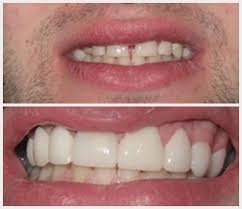 Bruxism is the act of consciously or unconsciously clenching or grinding your teeth either during the day or while you sleep. Bruxism is considered both a medical and a dental problem. This is because it affects both the teeth and all of the structure near it, including the head.
Effects of Bruxism
People grind their teeth for a variety of reasons. Doctors believe that it is because of stress. Dentists say that it happens because one’s teeth are not properly aligned with each other. Whatever the cause treatment should not be delayed.
Teeth grinding may not seem to be a major health issue but can lead to problems such as broken, chipped or worn teeth; broken dentures; headaches and migraines; ear ringing; sore jaw joints (TMJ); dizziness; and sore head, neck and shoulder muscles. It is important to see a dentist who has been trained in Neuromuscular dentistry so this teeth grinding habit is resolved before further problems develop.
Indications of Bruxism
- Intense clenching of teeth, sometimes forceful enough to wake you up
- Flattened, worn down, and chipped teeth
- Worn tooth enamel
- Sensitive teeth (jolts of pain from cold or hot foods and beverages or bristles of a toothbrush)
- Pain and tightness in the jaws and surrounding muscles
- Ear aches and/or ear ringing
- Headaches and/or migraines
- Sore Jaw Joints
- Muscle pain in face, neck or shoulders
Treatment for Bruxism
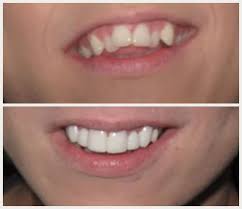 You will be fitted by our dentist with custom Mouth Guards to prevent you from grinding and clenching your teeth. Night mouth guards are bite pads that are worn at night as you sleep. These guards are made of high-grade plastic and should fit the teeth or mouth perfectly. This device keeps the upper teeth from grinding with the lower teeth, offering an instant solution to teeth clenching problems.
Call us today to schedule an appointment if you are experiencing problems with teeth grinding.
Don’t hesitate to contact us to discuss any aspect of your dental health – we don’t charge for giving advice!